
When life upends everything, what still matters?
When the future you assumed disappears, the questions get sharper. This conversation explores how meaning, values, and hope evolve when time feels uncertain and life breaks open in unexpected ways.
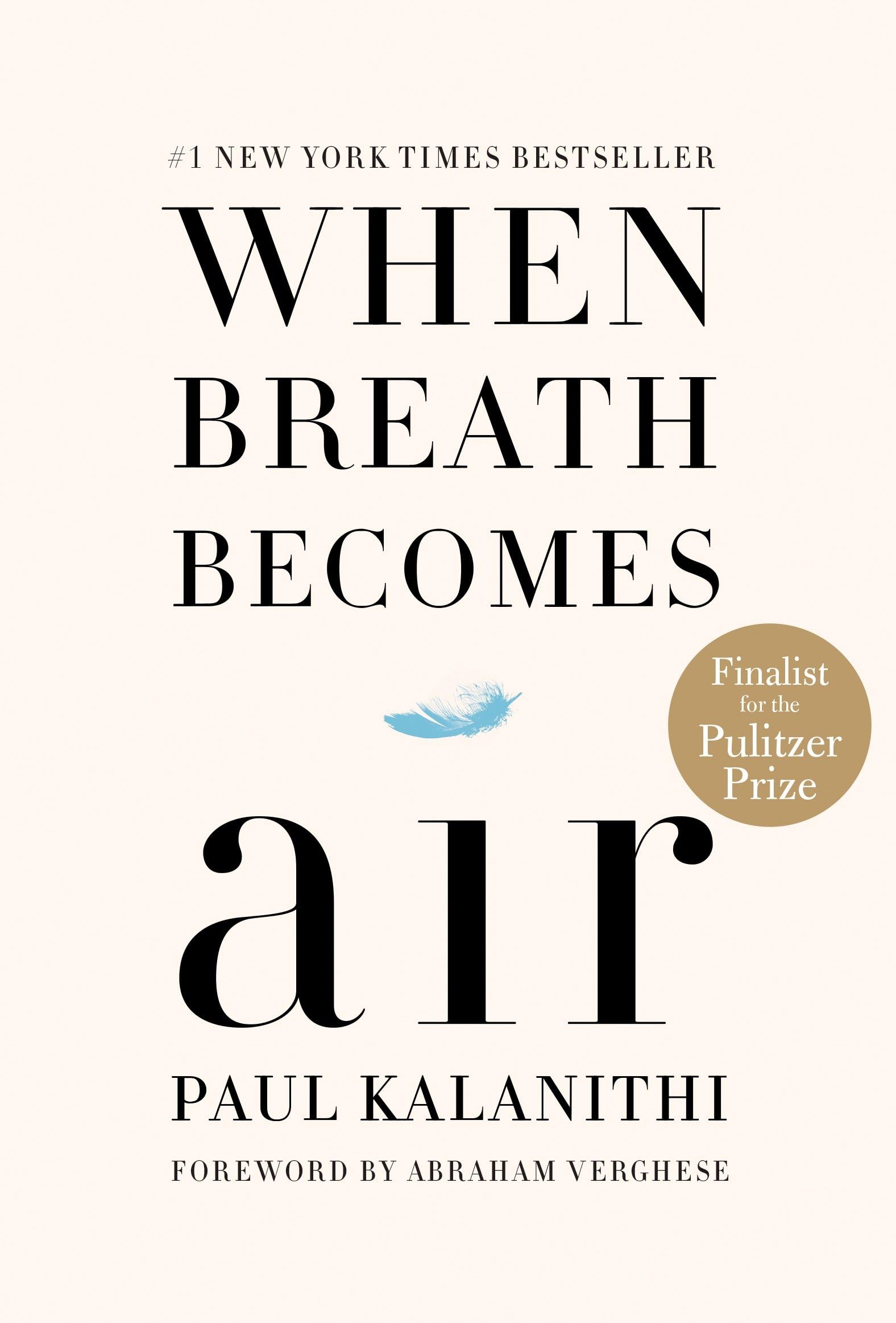
In this deeply human and reflective episode, Jonathan Fields sits down with Lucy Kalanithi, a physician, storyteller, and Clinical Associate Professor of Medicine at Stanford University. She is the widow of neurosurgeon and writer Paul Kalanithi, author of the #1 New York Times bestseller When Breath Becomes Air, for which Lucy wrote the unforgettable epilogue.
Together, they explore what it means to live honestly in the presence of mortality, how our sense of time and identity shifts through loss, and how values can guide choices when certainty is gone.
In this episode, you’ll discover:
- A simple but profound way to make decisions when the future feels unclear
- How redefining hope can ease fear without denying reality
- Why you cannot have everything, and how that clarity can be freeing
- A humane framework for navigating medical and life decisions
- What it really means to build a life that fits who you are
When life changes in ways you never expected, clarity does not come from control. It comes from listening more closely. Press play to explore what truly matters, and how to live with intention even when the path ahead is uncertain.
You can find Lucy at: Website | Episode Transcript
Next week, be sure to tune in for my conversation with Brad Stulberg about what excellence really is, and how pursuing it can help you feel more alive, not burned out. And don’t forget to follow the show in your favorite listening app.
Check out our offerings & partners:
- Join My New Writing Project: Awake at the Wheel
- Visit Our Sponsor Page For Great Resources & Discount Codes
_____________________________________________________________________________________________________
Episode Transcript:
Jonathan Fields: [00:00:00] Simple question, brutally hard answer. When life upends everything you thought would be coming in your future, what still matters? I have been wanting to have this conversation for a long time. Ten years actually. And today I’m sitting down with Lucy Kalanithi, a physician and storyteller whose life and work. They sit at the intersection of medicine, meaning, and love. And Lucy is the widow of Paul Kalanithi, author of When Breath Becomes Air, a book that many of you know well, and it’s a book that has really moved me profoundly, one I’ve read many times and often reread at the beginning of every year to kind of reorient me around who and what genuinely matters. And Paul wrote the main part of the book, or most of it, as we’ll learn, and Lucy wrote the epilogue, a piece that brings the story fully into the heart, including writing in vivid detail her husband’s death scene, which she shared, is exactly how he’d have wanted it. Ten years later, she’s still living these questions not as theory, but as life, just deeply invested in how we devote our energies and deepen our relationships and our love and and truly center what matters. And we talk about how our relationship with time changes when certainty just disappears, how values can guide decisions, when plans fall apart, and what hope really means when winning is no longer the frame, and how to build a life that actually fits who you are, not who you thought you would be, or the life you thought you would have. This is a conversation about grief and love and medicine and parenting, and choosing what matters most when the future feels fragile. So excited to share this conversation with you! I’m Jonathan Fields and this is Good Life Project.
Jonathan Fields: [00:01:45] Your late husband Paul’s story and necessarily elements of your story together are shared in his memoir, When Breath Becomes Air. That became this giant global phenomenon. Really, he writes the heart of it. You write the epilogue for it necessarily. This book has has actually meant the world to me. It’s helped me think and feel and question what I truly want, sort of from and for in my life. I often reread it in the beginning of every year, which actually just did shortly before this conversation. Same, same. And it never ceases to move me and make me see things that I didn’t see before and explore things that I hadn’t explored before. For those who haven’t been exposed to the book, for context, for some of the early part of our conversation, can you share a bit more about this kind of incredible love story and what happened then? Also in the years leading into the book, which was, I guess, about a decade ago.
Lucy Kalanithi: [00:02:39] Yeah. Thank you so much for saying that. That like, really brings tears to my eyes. And it means a lot to me that you’ve reread it as well. So yes, When Breath Becomes Air was written by my late husband, Paul Kalanithi, who was a neurosurgeon and writer. We first met when we were in medical school at Yale, and he initially had thought he would never be a doctor. He thought maybe he’d be an English professor or a philosopher, and then became really intoxicated by questions about meaning and mortality. Actually, even as a young person was really in love with literature, got really interested in bioethics and thinking about the mind and the brain. And then that ultimately led him into medicine to try to sort of grapple with really meaningful, meaty, ethical and emotional questions with his patients. And he became a neurosurgeon. Ultimately, he just loved people who were going through a crisis and thinking about identity and meaning. And then when he himself was a chief resident in neurosurgery at Stanford, which was was about ten years after we had met and gotten married. I’m an internist, so I was moving along in that career as well. He sort of started to develop a set of ominous symptoms and started losing weight and becoming really fatigued and having back pain. And initially we thought it was because he was a hard working surgeon.
Jonathan Fields: [00:04:04] Right. And neuro is also like one of the most brutal ways that he can spend. Spend your waking hours on the planet. So it’s like suffering is even in the best of conditions, is a part of the experience.
Lucy Kalanithi: [00:04:14] Right, right. It’s like you yourself don’t have a body. You’re like just a neurosurgeon. Yeah, yeah. So. But his sort of started to disintegrate. And he realized ultimately we realized that he had stage four lung cancer, which was obviously totally upending and shocking. And so in order to cope and face what was happening to him, suddenly he was the patient on the other side of the table. He started reading voraciously again and then started writing, initially as a way to process what was happening, and then sort of as a new vocation, as he became unable to work as a surgeon. And he lived for 22 months after the diagnosis. He died ten years ago or died almost 11 years ago. We had a baby during that time also who now is a sixth grader. And then he finished, almost finished the manuscript for When Breath Becomes Air and had just handed it over to the editor and publisher and then died. And so ultimately I worked on sort of like tying it together and then putting this capstone epilogue on it, like you said, which was about reflecting on Paul and what happened since his death. And then also, like really importantly, told the story of the day he died, which actually was like a very, very Paul day. And I think if he could have told that story, he would have. So that’s why I did. And then as a grieving person, it was really wild and incredible to do a book tour for him. It was like really helpful in grief and wonderful and meaningful to me as a physician to be talking about end of life and talking about healthcare and talking about being a person and threading that all together. My career has become much more storytelling. And then now it’s ten years after Paul’s book came out. So it’s another interesting moment to, like, dip back in and, you know, get to talk to you and a number of different things, like in the course of my own evolution.
Jonathan Fields: [00:06:16] It’s such a beautiful story. And you, you started out by saying that Paul was a neurosurgeon, scientist and also a writer, but he wasn’t a writer just because he wrote this book in his final days. This was a thread that, I mean, it seems like earlier in life that’s actually the thread that he was following, like a deep, deep love and passion for literature and writing. And it’s almost like the left turned into medicine was almost like, it sounds like only because he couldn’t get what he wanted, at least at that time, through not understanding the actual organ that is the source of so much, so many of the questions that he had. Is that in any way on point?
Lucy Kalanithi: [00:06:55] Kind of. It’s really interesting you say that that like he was a writer first because I agree. And then I also think he wouldn’t have been doing the neuroscience work purely abstractly, like it truly was related to people and patients, for sure. And so, like you just said, it was all really intertwined. He I think he ultimately didn’t see those things as separate. It was like science and philosophy and the humanities were sort of all like circling around this questions of what does it mean to be human? What does it mean to build a meaningful life? Like what does it mean to face up to suffering? Like all of those, he was super interested in that question. And so totally. And literature, he thought literature was like the way, like the most honest way to look at what humans are up against.
Jonathan Fields: [00:07:43] You know, the book tells a lot of his story and and some of yours. But you’re also the one who was going through this. You were living every minute, every second of every day with him in the years leading up to and then the two years, and I guess he said two months of illness before he lost his life. And then when that happens, as you described, he’s almost done with the book. He turns it in. But the book still needs an end cap, you know. So you write this epilogue, which is this is not a typical epilogue. This is not an ordinary epilogue, because you effectively tell the story of how this book actually came to be. He was telling his story leading up to the final days. You tell a story of how this book actually emerged from those final days. And as you just described, you write the death scene because nobody else can but you. And I’ve often wondered, was it like for you?
Lucy Kalanithi: [00:08:38] Yeah. I mean, writing the epilogue actually was a big surprise to me. I didn’t the random House editor, Andy Ward, who’s incredible, approached me and said, we’d love you to write an epilogue. And I was like, what? I’m not a writer. And then I was like, actually, it’s really important to tell this story. And then it just kind of came pouring out of me and I was like, oh, this is why writers write. It’s like, you know, you write because you have something to say. And then it turned out, you know, like just during grief, it’s like, I’m a doctor. Paul was a doctor. We knew he had an incurable illness. We knew he was going to die at some point, way sooner than expected. On the day he died, I knew it was the day. And at the same time when he died, I was like, totally shocked in a way, because he just disappeared. Like he was there and then he disappeared. And it’s like you’re in your same life where he used to be. And then he disappeared. And so the thing that was really interesting to me was the time that I felt most like myself during those, like, unspooling Months as you’re kind of like molting a relationship. The time I felt most like myself was working on the epilogue because he and I had been, like such, so intensely partners. Everything from like talking about the emotions of it to like, you know, I was over here like managing all these medications so that he could focus and so that he could sit comfortably and so that he’d be able to write. And so the book as a project still existing, and then me feeling like I was still doing it in a way we were still doing it was truly helpful.
Jonathan Fields: [00:10:17] Yeah.
Lucy Kalanithi: [00:10:18] Oh, can I tell you something interesting?
Jonathan Fields: [00:10:19] Yeah, yeah. Go ahead, go ahead.
Lucy Kalanithi: [00:10:20] So it’s the 10th anniversary of the book, and so random House approached me about what I want to record the epilogue in my voice, because initially we didn’t. And I had said no ten years ago because Paul had just died. And I was like, well, if Paul’s not here to do his bit, let me I’m not going to do mine. I’ll choose the voice actors. So I did, and then they asked me, okay, now do you want to put it in your voice. And so I said, sure. And it was so interesting. I went to a studio at Stanford to record it. This was about like a month ago, and I didn’t practice it or even really reread it ahead of time because I was like, I know this so well. And then it totally shocked me how emotional it was like to narrate and read through that day again. And it really shocked me. And the director said, you know, if you need to take a break, you can. And I was like, I’m so used to thinking about this, I won’t need to. And then I totally did. But the really interesting thing was like reading it ten years later, I don’t know, you know how like, Taylor Swift rerecorded a lot of her own songs to get her rights back? They’re called Taylor’s version, but there’s a sort of interesting phenomenon where an angry song will have, like other layers of like, anger or maturity or whatever. It’s like her voice is different.
Lucy Kalanithi: [00:11:30] She’s different. So that was kind of a strange experience to like, read that in sort of this telescoping way of like, I’m me now and I’m reading me then, and at the end, of the very last page, the director had kept saying, like, picture that you’re reading this to a small group, like you’re not reading it to a big group, you’re not reading it to like unnamed. No one like picture a little group that you’re communicating to. Which is weird, because the whole epilogue, in a way, is like delivering bad news to the reader. So there’s like that piece of it as well, sort of like a softness and a like intimacy. But on the last page she said, get in your feelings, whatever they are, and make sure that you’re reading it from you. So I finished it, and the last line is it says something like, you know, Paul wondered throughout his life whether he could face death with integrity. In the end, the answer was yes. I was his wife and a witness. And that’s the last line. And so I read that and she was like, oh, that’s not how I thought you were going to read it. She’s like, I thought you would read it maybe like more lightly, but you read it like really strong. And I was like, oh, that’s so interesting. Like, I think that’s me Now, you know. So anyway, that was a really interesting. I just wanted to share it with you.
Jonathan Fields: [00:12:44] Yeah. I mean, how wild to actually have that experience. And it’s like it’s the same words. It’s the same story, right? But you’re a decade further into your life. You’re decade further away from from his death.
Lucy Kalanithi: [00:12:56] Right? So it’s like Lucy’s version.
Jonathan Fields: [00:12:58] And it’s like you are then also a witness to how you’ve shifted in those ten years as you’re reading this and it’s like, wait, wait, how interesting is this the way that I’m feeling while I’m doing this?
Lucy Kalanithi: [00:13:09] Yeah, yeah.
Jonathan Fields: [00:13:10] So that epilogue, when I first got the book, which is pretty much when it came out, 2016, I read the main part of the book. I was traveling. Then I got on a plane and I started reading the epilogue. I got like three pages in and I had to close it because I’m sitting on a packed plane, shoulder to shoulder in a middle seat, and I start weeping.
Lucy Kalanithi: [00:13:32] Oh.
Jonathan Fields: [00:13:34] And I’m like, this can happen on a cross-country flight because they’re going to think something really bad is happening here. So I close it up, I come home, and it absolutely wrecks me in the best of ways. And thinking about and reflecting on it and having shared like I’ve reread both a number of times now, the core of the book put me so deeply into my head. It was a deeply personal and powerful story, but also there was a lot of thinking. There’s a lot of exploring the big question, the big issues, meaning, value, vocation calling. And we’ll talk about some of that. The epilogue took me from my head and dropped me into my heart, and I realized this would not have been the same complete experience without that, because it did something so deeply beautiful and powerful that brought the whole thing home and I. And that’s why I think I keep returning to it, and why it’s so powerful for so many people, because it integrates these two parts that we often don’t spend time together with.
Lucy Kalanithi: [00:14:35] Yeah, yeah. Thanks for saying that.
Jonathan Fields: [00:14:37] Yeah. So before any of this happened, what did you believe sort of deep down, about how life was kind of supposed to unfold and look and work?
Lucy Kalanithi: [00:14:48] You know, I think I sort of had a set of implicit assumptions that were like somewhat unquestioned, which was sort of like. And Paul had these two, as he describes. But I think I sort of used to think of like life as a path, like I’m on the path and it’s like, or sort of it’s like a it’s like an upward slope and it’s like, I’m gonna keep working hard and I’m gonna, like, climb the mountain. And then I think just the real like, obviously when something totally upends your life or in any way. But certainly like Paul’s illness and death exploded everything. And so I think the way I think of it now, it’s like I’m much more aware of like unpredictability and finitude. And I think of life now as sort of a series of moments. You know, like now I’m in this, like, middle school moment with my child, or like when breath becomes air has been a moment or, and it’s like other moments around the corner, and I don’t know who I will be or what the moments will be. And at the same time, I’ve come to really trust my instincts. You know, like, it’s like you can only make the best decision you can at any given point with the information you have. It’s like you’re sort of just like hopping to the next lily pad that lights up. So I feel like that’s become sort of like I’ve. I have a trusted place that I’m standing. But then it’s like, I don’t think you can necessarily, like, rely on knowing where you’re going.
Lucy Kalanithi: [00:16:19] A hard part about that is, you know, part of the mountaintop like path thing was entering medicine as like a young academic physician and thinking like, my career is going to look a certain way. And you like go on to the Professoriate. And my interest was healthcare value and like thinking about policy and delivery. You know, that has really shifted in a way that I’ve had to accept some pieces of like not being as hard driving as I plan to, but at the same time, I feel like another thing I learned is like, you kind of can’t have it all. You sort of think you can, but it’s like something will always suffer if you’re trying to have everything. Or like the flip side, it’s not even a negative thing. It’s like it’s just that you must you have to choose what you value the most about who you want to be and what you want to have. So like for me as a parent, that’s my number one. And so just like ending up with career flexibility was more important than I thought. And so I just think there’s a number of things where, you know, you have to parse out, like what trade offs you’re willing to make, because I do think you can’t have it all, but you can have a whole bunch of great moments, or you can choose and like, build something and then go on to the next thing.
Jonathan Fields: [00:17:29] If you look at social media, you absolutely can have it all, all the time. Totally the fantasy world that’s being sold to all of us. But yeah, I think that’s a reality that’s so often you face when you know you’re in a moment where you or someone very dear to you, um, faces mortality. And also when there’s a, a micro season where you kind of know something is reasonably inevitable, right?
Lucy Kalanithi: [00:17:54] Yeah.
Jonathan Fields: [00:17:55] But you don’t know 100%. But there’s a fair level of certainty, but you have no idea if and when or what the shape it’s going to take is. And it’s like everything goes into the hopper of reexamination again.
Lucy Kalanithi: [00:18:06] Yeah.
Jonathan Fields: [00:18:08] And we’ll be right back after a word from our sponsors. Value is a word that you just use. And that was a word that, um, actually Paul brought up in the book a number of times. It sounds like his oncologist kept bringing it back up to him, saying like, focus on your values. Um, talk to me more about this notion of value, because I think we’ve all done values exercises in our work and our jobs and stuff like this. But in your mind, what actually what is that and why does it matter so much?
Lucy Kalanithi: [00:18:37] Oh great question. I mean, I think the real upshot is like living in a way that’s true to you. So like figuring out your core values is a part of that, figuring out what you value in your life. But I think the main thing is like building a life that fits who you are. And then for the oncologists, like what she’s building around that is like building health care. Building health care for Paul that fits around like how to help him achieve those things.
Jonathan Fields: [00:19:02] And also figuring out, like with whatever time I have, how do I use it? Well. Right.
Lucy Kalanithi: [00:19:07] Yeah. And it’s not to say like, you know, thinking about this thing of you can’t have it all. It’s not to say like, definitely put aside your career. Like, there’s that thing about like, no one on their deathbed wishes they worked more, but I actually don’t. Like, I sort of don’t agree with that either. It’s like if you’re building something intensely meaningful, like then maybe your work, like really is what takes you to your highest value, you know? Of course. And maybe it’s your family and maybe it’s, you know, whatever. But I think that’s on each of us to figure out.
Jonathan Fields: [00:19:36] Yeah, there are these common tropes which which do say like, okay, we should all value this in a particular way. This should be the single most important thing. And maybe for many people, that actually works. But if it doesn’t work for you and then you’re trying to hold yourself up to, you know, like this standard of what I should care most about. I feel like that just layer shame into the equation along with everything else.
Lucy Kalanithi: [00:19:57] Sure. Yeah. Like, am I doing it right? And it’s like, well, you’re you, so you’ll know. Yeah. Like, if you really listen to it.
Jonathan Fields: [00:20:04] Yeah, 100%. Part of this conversation is also it’s the notion of time in moments like these. How does your sense of time change when you have a high level of expectation that, like, our time is going to be way shorter than we ever imagined it would be? But we don’t know what that means.
Lucy Kalanithi: [00:20:24] Right?
Jonathan Fields: [00:20:24] You know. So how do you sort of like, look at time differently now?
Lucy Kalanithi: [00:20:28] Yeah. Time is weird. First of all, like speaking for Paul. And, you know, this reflects in his writing too. But for Paul, like, as a surgeon, he sort of thought of time as like 15 minute increments, maximal efficiency. How much can I do in a day? Like, you know, what am I doing in the next one year, five years like career arc? Then later I’ll be a writer. Like it was all sort of, like, planned and assumed and, like, maximally efficient. And then he got this upending diagnosis where suddenly, like, his survival prognosis is like a unpredictable and b likely an order of magnitude shorter than he thought it would be. And especially then and later when he was dying and time was really short, he ended up saying this interesting thing where he said, like I used to think of time as linear, and now time feels more like a space, which is to say like time sort of doesn’t exist or like only this moment exists. And there was a really interesting version of that for me as a very young mom or like a very new mom, when we had our daughter and Paul was super sick and he died when she was eight months old.
Lucy Kalanithi: [00:21:41] And I distinctly remember thinking, this time is really intense, like there’s all the diapers and the sleepless nights and like, this is like, I kind of want this, like infanthood grind to be over. But the closer this is to being over, the closer we are to Paul not being here, that sort of disappeared. It was just like, I’m in the moment of like baby Katie, Paul and me. And it did turn out to just be a moment. And so the like hyper intensity, hyper saturation of that was like really, really noticeable. And then I think for me time now like time. Sort of like. Overlaps with selves in a way. Or like becoming like I, I think I think less about time and more about identity. Like I was actually just listening to this thing yesterday that I refound as I was talking through this with a friend. But have you ever seen Dan Gilbert’s Ted talk?
Jonathan Fields: [00:22:41] Yeah, the original one, like from it’s like 20 years ago or something like that.
Lucy Kalanithi: [00:22:45] It’s basically about how because this is really interesting about time too. Basically what he says is like, we all have this illusion that the self we are now is like our fully formed self. Like everything led me to this moment and now I’m me and I’ll go forward as me. And so when people are asked, how much do you think you’re going to change and evolve in the next decade? People are like, well, not a lot, because now I’m me. And then if you ask them how much they’ve changed over the past decade, they say, I’ve changed so much in the last ten years. And then it turns out if you ask people at any age, they all say the same thing, which is to say everyone thinks they’re not going to change anymore, and then everyone does. And I think that’s really interesting actually, because that’s sort of like, I don’t know, like collapses time and speeds it up all at once and just, I don’t know, that’s the way in which I think time and selfhood are the same thing for me. Like we’re sort of like constantly evolving through time, but also through selves.
Jonathan Fields: [00:23:40] I mean, on the one hand, it’s terrifying. The other hand is really freeing.
Lucy Kalanithi: [00:23:43] Totally, totally.
Jonathan Fields: [00:23:44] You know, it’s like both at the same time.
Lucy Kalanithi: [00:23:48] I’m buying this house. I’ll retire in and you’re like, no you won’t.
Jonathan Fields: [00:23:51] Right.
Lucy Kalanithi: [00:23:52] Like, enjoy it now. Yeah.
Jonathan Fields: [00:23:54] But it is. I mean, when both of you move through a moment like that also, it’s just when all of a sudden time is compressed and you just have no idea. You know, you I mean, everyone, everyone always references the famous Steve Jobs and, you know, like, commencement talk at Stanford, you know, like, about how his illness was the thing that sort of like made him really reexamine time and, and focus in on so much of what was just really reexamined meaning and a sense of who he was and why he was here. So I think it’s all folded into the same thing. And but we often don’t think about any of these questions unless and until we hit a moment or a diagnosis or a really close to somebody who gets bad news and we’re like, oh, oh, right. Like, I’m a longtime New Yorker. I was in New York during nine over 11. I knew people who went to work that day and didn’t come home that night. Yeah. You know, who were my age, who were young, who were like in the early stages, super ambitious, building huge careers.
Lucy Kalanithi: [00:24:47] And that’s a real reckoning.
Jonathan Fields: [00:24:49] Yeah, right. You’re just like, okay, I don’t ever leave the house planning not to come home that night. Sure. But here’s somebody who I knew. That is exactly what happened. And when it’s that close to you, or when it’s you and you have some window, like some time to reflect on it, I wonder why sometimes we really never do this thinking until something like that happens. And then when you read the story of Paul, it seems like he was an extreme outlier because it seems like he was just living these questions all the time, voluntarily.
Lucy Kalanithi: [00:25:19] But don’t you think we are sort of doing it all the time? And maybe we should just recognize it, because if you’re parenting, you know, I think parents think about that a lot. Like I just said, this little thing, but maybe I just said a big thing. Like, I need to think about what I’m saying to my kid, or like, I’m choosing between two jobs. I really have to think about, like, what do these jobs mean? So I actually, you know, don’t you think we kind of are like, we should give ourselves credit for it at best, like, you know.
Jonathan Fields: [00:25:44] Or maybe what I’m trying to get at is maybe we do. Maybe you’re right. We are thinking about it all the time, but we’re not thinking about it. We are always assuming that we’re going to have a significant future.
Lucy Kalanithi: [00:25:55] Yeah.
Jonathan Fields: [00:25:56] So, you know, it’s like, ah, if I make the right choice now or if I make the wrong choice, I can fix it. You know, a couple years down the road, I’ll correct course, you know, and for many people you will, you know, and you’ll have that. But it’s interesting. I’m a writer also. And the. And I just turned 60 last year and am sitting down to write the next book and then relistening to. I want to call it your and Paul’s book, because I really do see it as like this complete experience. And one of the questions in my head is, what is the book that’s important for me to write now? Part of it is, if I assume that I’ve got decades left, I’m going to make one choice.
Lucy Kalanithi: [00:26:38] Ooh. So interesting.
Jonathan Fields: [00:26:40] If I assume that I have months left or a couple of years left, I’m going to make a very different choice.
Lucy Kalanithi: [00:26:46] Oh, sure. That’s really interesting.
Jonathan Fields: [00:26:48] And that was surprising to me. I was like, huh huh.
Lucy Kalanithi: [00:26:52] Like, if this were the last book.
Jonathan Fields: [00:26:54] Right. Like, it’s like the classic last lecture type of thing, you know? But, um, so the assumptions that you make about how much time you have ahead of you. For me, at least, it really changes the decisions I make about how I’m going to allocate very big chunks of my energy today and then tomorrow and like, next month. And like, I wonder how different would your life be if you looked back over a decade, if you were making decisions based on the assumption that I don’t have a lot of time? But then you end up actually having that time and then, you know, versus if you just assumed, oh, I got plenty of time. Like then a decade down the road, you’re like, huh? How do I feel about the way that I’ve lived this last decade?
Lucy Kalanithi: [00:27:37] That’s really interesting. That’s really interesting. And I also think there’s another piece of that which is like, it’s like so much of our identities, our present identities are tied up in this, in the idea of our future selves, what you plan to create, like, whether it’s like you’re going through school working really hard because you’re going to be this thing or you’re raising a kid or whatever. And so I think, like, yeah, that’s so interesting is like, what assumptions are you making about who you who you actually are even right now, based on what you think you’ll do?
Jonathan Fields: [00:28:08] Stuff that spins my head all the time. I mean.
Lucy Kalanithi: [00:28:10] Would you choose for the book The Long View or the the other one?
Jonathan Fields: [00:28:14] Literally. I was sitting at a cafe at 730 in the morning this morning looking at two possibilities.
Lucy Kalanithi: [00:28:21] Aha!
Jonathan Fields: [00:28:22] And one is actually one that terrifies me. But it would be really fun to pour myself into. It’s fiction, which I’ve never written before. Oh, cool. The other is much more of it’s a little more like memoir, which I’ve also never done before, but I’ve spent 20 years writing non-fiction, so that’s just much more comfortable. It’s a knowable domain for me. I know how to do that.
Lucy Kalanithi: [00:28:39] Interesting.
Jonathan Fields: [00:28:40] And probably what I feel would be really important to say is in that book. But the call to fiction is much stronger for me right now. So I’m doing this dance of trying to figure out, what do I do here? And then the big question drops while I’m thinking about this. I’m like, is there a way to put all of the underlying ideas, insights, concepts, things I might want to share into the context of a novel instead.
Lucy Kalanithi: [00:29:10] Yeah, my sister says all fiction is thinly veiled memoir. Which makes sense, right?
Jonathan Fields: [00:29:14] Yeah.
Lucy Kalanithi: [00:29:15] That’s very interesting. My mom actually has a good way to make decisions. Like if you’re trying to figure out how to trust your intuition, you actually just do a coin flip and you’re like, heads is fiction. Heads is my fiction book. And then you flip it and then if you get heads, just like feel your body for just a second. What did your body do? Were you like, oh, shoot, the memoir thing was where like. Or you’re like, yes, fiction. You know what I mean? Like, do this tiny coin flip and then, like, listen to yourself.
Jonathan Fields: [00:29:42] Yeah, I like that. I’m gonna have to try that.
Lucy Kalanithi: [00:29:45] Let me know.
Jonathan Fields: [00:29:46] So for you, as you’ve sort of moved through your career over the last decade or so and you’re thinking about, okay, so how do I actually want to allocate my energy? Has there been a meaningful shift in how you thought you would be building your career before and after, and how you’ve actually ended up making choices and building it?
Lucy Kalanithi: [00:30:04] Yeah. So I’m an academic physician. I’m an on faculty at Stanford in the School of Medicine. And the really practical change, actually, as a clinician, as I moved from primary care, which is my love to urgent care. So that’s like a super practical nuts and bolts decision, because for the most part, I’m a solo parent. And so that gives me time with my kid and flexibility and headspace. And but then the real change is that ten years ago or a little before that, I was in a health care delivery systems fellowship at Stanford, really thinking about how to ensure health care value, which is like the quality over cost equation in health care around healthcare delivery, like how do we change health systems and implement new delivery models that will be higher value for patients? And then going through the like, taking care of Paul when he was sick, doing a book tour for Paul, thinking a ton about end of life care and palliative care and caregivers, family caregivers. The thing that’s kind of like intertwined for me is the places in medicine where the business case for improving something, the way we do something intersects with the moral case or like the human humane case. And so that is so many of those same places, the way we do end of life care in America, the way we recognize and value caregiving, the way it should be valued, the way we take care of healthcare workers and their moral distress and ability to do their job in a loving, you know, protected way.
Lucy Kalanithi: [00:31:38] That’s been really interesting. And I’ve also become so much more of a storyteller. I think I used to think there’s my doctor self and I’m sciencey and I’m smart and I’ll translate things for people. And now I do feel like I’m more of my full self in every context, sort of just by practicing that as a speaker and thinker in these same domains where I had this academic expertise, but now I’m bringing a personal story and I’m sharing it in, you know, professional contexts also. And I think maybe that’s a characteristic of good leaders generally actually is like to step into yourself in leadership contexts. And so it’s sort of a broader lesson to me. And then I think, you know, as you go along in medicine, certainly, and you sort of have some more gravitas, you can also become more personal. So now I like hug my patients or I tell them, I don’t know the answer. Let’s look it up together. And I think when you’re a younger physician, you sort of think you’re supposed to have a facade of, I know everything and, you know, trust me, because, like, I look young, but I’m smart. And so I think just sort of growing into all of that has been meaningful. So now I’m fully formed and I’m me, and I’ll go forward as this self forever.
Jonathan Fields: [00:32:54] And 100% guaranteed a decade from now. If we ask that, you would be absolutely the same. No change whatsoever. Right? Um, it is really interesting, right? Because you had this experience and it really it shifted a lot of the way that you see things, but also the way you want to devote a lot of your energy. And then the storyteller part of you taps in and says, okay, yes, there’s a ton of data here. We can look at all of the business cases, we can look at all the studies, we can look at all the research. But let me tell you a story totally. And like nothing, it’s been my experience. You can share all the data in the world, but it’s the story that really incites change, right?
Lucy Kalanithi: [00:33:29] Even if you’re like, stuck to numbers, you have to tell a story. You’re correct. Yeah, I totally agree.
Jonathan Fields: [00:33:35] Yeah. And we’ll be right back after a word from our sponsors. What do you think patients and families most need from clinicians now in moments when the news isn’t good? How would you approach things or how would you sort of say like, this is what I would love to see change in these moments, or these are some of the key, the key insights or key qualities of this type of interaction that maybe isn’t happening all that much, but would really make a difference.
Lucy Kalanithi: [00:34:05] Yeah. I mean, it’s like some of the words that come to mind are like witnessing selfhood, support. You know, Walter Cronkite said the American health care system is neither healthy nor caring nor a system. And I think people in the health care system suffer, including clinicians, because of cultural taboos that follow you into the hospital walls or because of time constraints or because of like, obviously, money stuff. And I think medical schools are changing so much in terms of training students to literally in the humanities, actually, but also training people how to do those conversations, like you’re talking about delivering bad news or coming back to hard questions or helping somebody discern what’s important to them. And like, there’s all kinds of decisions in health care where it’s not just end of life care. It’s like, do you want to have dialysis in a dialysis center or at home? Do you want to have knee surgery or not? So many decisions really do have to be made in the personal context. So I think asking what do you really care about and how do we help you get to that? I think so many of those conversations like delivering bad news conversation, it’s not just one conversation, it’s multiple. And it’s like multiple people across a family. So like making space for everybody in time. And then I think like as a practical pearl for people who are going through a hard medical issue. The field of palliative care is so incredible.
Lucy Kalanithi: [00:35:41] So like for anyone who has like not just a terminal illness, but like a curable illness, that’s really hard to do, you know, like lymphoma and really intense chemo or Parkinson’s or heart failure or just anything that is tough to manage in terms of like thorny medical decisions or symptoms or existential distress. Literally ask for a palliative care team to be part of your care. And they, like, work alongside the other specialists, and they are part of a medical field that’s like board certified and fellowship trained and everything to focus on quality of life alongside the rest of your medical care. And it includes social workers and chaplains and nurses and clinicians. And that’s just it’s so weird because like, that grew up out of an unmet need. And it’s like, if you could strip down the health care system, you would start with that and then build a bunch of like, medical specialties around it. But those guys sort of popped up in the middle of the healthcare system to say, like, what are we actually doing here? And so they sort of act as a they can be sort of like a human quarterback. So that’s something I would encourage people to check out is palliative care. And then hospice itself is a little subset of that for people who are really, really sick and dying. But palliative care could be for anybody who has something chronic or something thorny.
Jonathan Fields: [00:37:01] I think a lot of people, if they even have heard the phrase or if they know what palliative care is or think they know what it is, it’s kind of very often automatically equated with hospice. Well, this is what happens when like, you know, there’s no other. Like you’re basically on your way out rather than said, I like this reframe that says, no, this is actually it can be related to that. But these are people who basically focus on quality of life throughout whatever the treatment experience is, which is super powerful.
Lucy Kalanithi: [00:37:26] Yeah, thanks for clarifying that.
Jonathan Fields: [00:37:28] Where does hope come into the conversation?
Lucy Kalanithi: [00:37:32] Yeah. Hope, man. I mean, I think of hope as like so much of the time when you talk about hope, especially in cancer, right, where there’s this battle metaphor of like, we’re going to fight, we’re going to win, we’re going to beat it, which can be like really flimsy and confining. Actually, when people are actually going through it, it can feel constricting or intimidating to have to win the battle, because if you have to win, then you could also be a loser. And so I often think about hope, like, okay, you’re not only hoping to win when they ask people, even as they’re dying, like, what are all the things you’re hoping for? It turns out there’s like a whole group of things that people hope for. So it’s like, obviously people hope to live a long time and feel good, but they also hope to feel spiritually at peace or mend relationships or make things smooth for their family, you know. So I think of hope as like really multifaceted, because oftentimes there are many things you can hope for and many things you can achieve. So the question is like if you’re hoping for something or if you want to, you know, like do everything, you know, families like often come in and say, do everything, do everything for my loved one.
Lucy Kalanithi: [00:38:44] And the question like remains like, do everything in service of what thing? Like is it dignity? Is it time? Is it being pain free? Is it being lucid? Is it going home any whatever it might be? Um, so yeah, hope is rough because. And sometimes you just have to hope for the best and prepare for the worst. You know, one of we talk a lot about prognosis in medicine and how to prognosticate and how to help people, you know, have a realistic sense, but also hold on to hope. And like one of the frameworks I like the best is thinking about what’s the best case that we’re hoping for, what’s the worst case that could happen, and then what’s the most likely case? And oftentimes those are three different points, but they give you just a bit of a sense if you can like emotionally scope all of those and logistically scope those. That’s hard work. But it helps you to do that, you know. So I think that can be helpful.
Jonathan Fields: [00:39:40] Yeah. It’s so interesting the way you laid that out. Um, as somebody who’s been an entrepreneur for most of my adult life as just an exercise, oftentimes when you’re thinking about, like as a founder, a new idea, you create pro forma financial projections and you have a worst case scenario. Best case scenario. And then like the middle scenario. So it’s kind of the same thing you’re talking about here.
Lucy Kalanithi: [00:39:58] Prognosis. Yeah.
Jonathan Fields: [00:40:01] But instead we’re talking about life instead of a business. Um, you’ve mentioned a number of times that you and Paul eventually decided to have a child when he was in his final months of life. A lot of people would probably hear that. And, like, an eyebrow would get raised. Take me into this experience and decision.
Lucy Kalanithi: [00:40:19] Sure. Yeah. I mean, I feel like I would raise an eyebrow if I heard about someone doing that and hadn’t come up against it. It’s like one of those things you just never know. And I actually wondered when Breath Becomes Air came out. I was like, I wonder if people will judge us for having a kid. There were a couple of things in the book, or like Paul writes about how our marriage had been on the rocks for a while, and I was like, I wonder if that’ll come back. And it’s like, it turns out that all of those things like the hardest, trickiest. Or when Paul writes about religion, like moving between atheism and agnosticism, Christianity, all of the thorniest bits are actually the parts that people come up to me and relate to. So anyway, that’s an interesting like experience. But um, yeah, so we had always wanted to have kids and thought that was actually around the time when we would think about it, which was toward the end of Paul’s residency when I was also done training, and then things would sort of like ostensibly get easier. And that was right when he got sick. And we actually talked about it within a day or two of him being diagnosed, looked at each other and said, like, is this something we should think about? And there’s a practical piece there, which is you have to like, think about fertility preservation immediately before you start your treatment. But we both had the instinct to still try, and Paul was more certain than I was. And I was like really embedded in the practical piece. And also thinking about, I think I’m going to be a solo parent at some point going forward.
Lucy Kalanithi: [00:41:44] So what will that mean for me? I read Andrew Solomon’s book, actually Far From the Tree, which was incredibly helpful. I like thinking about parenthood and identity and like all the ways that your kid could be different or different from you in unexpected ways, and how parents come to terms with that and find it meaningful ultimately, because like having a kid also introduces a ton of uncertainty and work and just grappling with that, the real solidifying moment of that choice, actually, Paul writes about it in the book, was a conversation we had where I was thinking about his experience and said, don’t you think that if we have a child, then saying goodbye to a child will make dying even more painful for you? And he said, wouldn’t it be great if it did make it more painful? Which was so like really surprised me, and then just sort of crystallized everything. And I was just like, oh, of course nobody is having a kid because they think it’s going to make things easy. And there’s a million things we do in our lives that make things like great and hard at the same time. So many meaningful things we do, you know, become a healthcare worker, have a child, climb a mountain to the top and then come back down the very same day like we do all these things because they’re beautiful and hard. Just Paul like, indicating that that actually was all okay with him and actually was great with him. Suddenly the answer was yes.
Jonathan Fields: [00:43:16] When when your daughter was born and she’s with both of you for, I guess, another eight months before Paul passes, then you’re also it sounds like there was just this kind of crazy whirlwind, because at the same time, you lose your husband, he’s turned in this book you’re being tasked with or invited to then say, like, well, bring the book home for us. And then not too long after it’s out there in the world and at the same time, you’ve just lost somebody. There’s grief. There’s mourning. That’s a part of that. And I guess I’m curious how grieving mourning has lost while also being there for this beautiful baby. Change the quality of the experience, and not that you ever have anything else to compare it to, right?
Lucy Kalanithi: [00:44:04] Yeah. You mean change the quality of parenting or change like just what grief was like of grieving? Yeah, I mean, I think working on Paul’s book and doing the book tour was like absolutely net positive. I mean, partly as a way to be out, like physically out in the world and talking to people. And like I said, I’m like, it’s like I’m a talker. Like that’s how I process and that’s what I want to be doing and like, be with people. And then also like, there’s a piece to grief where when somebody dies and it’s a year has gone by, let’s say, that can truly feel like a millennium and a millisecond at the same time. And oftentimes people don’t really enter into it like, oh, it’s been a year. Like, she must be doing great. And it turns out like, that’s so short and you’re still living with the loss all the time. And Paul’s book gave me sort of a hook for people to talk to me about. Paul at a time when I was still wanting to. And, you know, I mean, I’m still, still wanting to, but it’s like it can be so hard for us to figure out how to relate to someone who’s grieving and say, like, what if I remind her? What if she starts crying? What if my thing that I say is not perfect and it turns out like just saying anything is almost always the right move, and you certainly aren’t going to remind someone of their suffering.
Lucy Kalanithi: [00:45:23] They like, they know. And so it just turned out to be really nice for me. And then raising Katy like through that, like she’s just getting a sense of like, I mean, she’s actually sort of always had it around her. She’s always had pictures. She’s always had Paul’s brothers, those cousins, the grandparents. Paul’s like presence and family is like all over the place in our lives. And at the same time, he’s sort of everywhere and nowhere and his book is there, like waiting for her when she wants it. But it’ll just be interesting to see her, like, grow into forming her own relationship with Paul. Yeah, and I’m, like, letting her, like, take the lead for the most part on that. Just, like, whatever she needs, I’ll give her. It’s interesting because, like, as a parent, one of the great lessons you learn is like your kid is not. You surprise and like her experience. You’re like, oh, shoot. But like her experience is not my experience, you know? So I don’t know what it’s like to lose your dad when you’re little. But at the same time, she sort of accepts it. And I think she’d, like, love to have a sibling. Maybe. As much as she’d love to have a dad. Like, it’s like she’s the one determining, like, what it all means to her.
Jonathan Fields: [00:46:33] I think it was. I can’t remember if it’s the final words or pretty close to the final words of the book is a short personal message from Paul, actually to her. You know, she’s only a couple months old at that point. And years later, in an episode of your podcast, gravity, which ran, I think it was 2021, 2022, you had her read those words out loud to you. What was that like?
Lucy Kalanithi: [00:46:57] Yeah, I just, um, I need to go back and listen to that. Yeah, I had her read aloud the words that are, like, written in the second person to her by Paul at the end is the close of the book, and it’s like her little cute voice reading it. And I was like, hey, I’m recording this podcast for people to hear. Like, do you want some M&Ms? We can have M&Ms after you record this. Are you willing to do it? It’s like people are going to hear your voice and she’s like, okay. And but the like gravity of it obviously like, didn’t hit her. She was like roughly 5 or 6. But it’s lovely that it’s in her voice. I mean, that’s the most intimate thing that Paul left to Katie. It’s like that paragraph as a parent talking to a kid. It’s really meaningful and I really love it. And it’s interesting because you said that thing about how, like the part that Paul wrote for, you know, the book Paul wrote is like cerebral and a lot about, like, ideas, intellectual ideas and philosophical concepts and, you know, literary allusion and all that stuff. And then you said, like, you drop into your feelings more in the epilogue. But I actually think, like that last part of the book is where, like, Paul drops into his feelings, you know, too, and then, like, takes the reader. There’s like a tonality.
Jonathan Fields: [00:48:16] Yeah, it’s a very different shift. Yeah. It was beautiful, actually. Hearing her share his words out loud, you kind of you kind of got a sense too, that like, she was just kind of having fun reading it, but at some point she’s going to read it again and it’s going to land differently.
Lucy Kalanithi: [00:48:29] Yeah. And she says he uses the word ledger and like in the middle of it, she’s reading it says like, give a ledger of what you’ve been and done and meant to the world. And she’s like, what’s a ledger? And then I’m like, it’s a list. And then she keeps reading. It’s like, so goofy.
Jonathan Fields: [00:48:44] Right? It’s like, let’s look it up first.
Lucy Kalanithi: [00:48:46] Yeah, yeah, yeah.
Jonathan Fields: [00:48:47] No, it was really beautiful. It feels like a good place for us to come full circle in our conversations. I always wrap the same way in this container of Good Life Project.. If I offer up the phrase to live a good life, what comes up?
Lucy Kalanithi: [00:48:58] Mhm. To live a good life, I guess for me it’s like stick to who you are and look out for other people.
Jonathan Fields: [00:49:09] Thank you.
Lucy Kalanithi: [00:49:10] Thanks a million.
Jonathan Fields: [00:49:13] Hey, before you go, be sure to tune in to next week’s episode for a powerful conversation with Brad Stulberg about what excellence really is and is not, and how pursuing it can help you feel more alive and not burned out. And don’t forget to follow Good Life Project in your favorite listening app! This episode of Good Life Project was produced by executive producer is Lindsey Fox and me, Jonathan Fields. Editing help by Alejandro Ramirez and Troy Young. Kristoffer Carter crafted our theme music and of course, if you haven’t already done so, please go ahead and follow Good Life Project in your favorite listening app or on YouTube too. If you found this conversation interesting or valuable and inspiring, chances are you did because you’re still listening. Here, do me a personal favor, a seven-second favor, and share it with just one person. I mean, if you want to share it with more, that’s awesome too, but just one person even then, invite them to talk with you about what you’ve both discovered to reconnect and explore ideas that really matter, because that’s how we all come alive together. Until next time, I’m Jonathan Fields signing off for Good Life Project.